
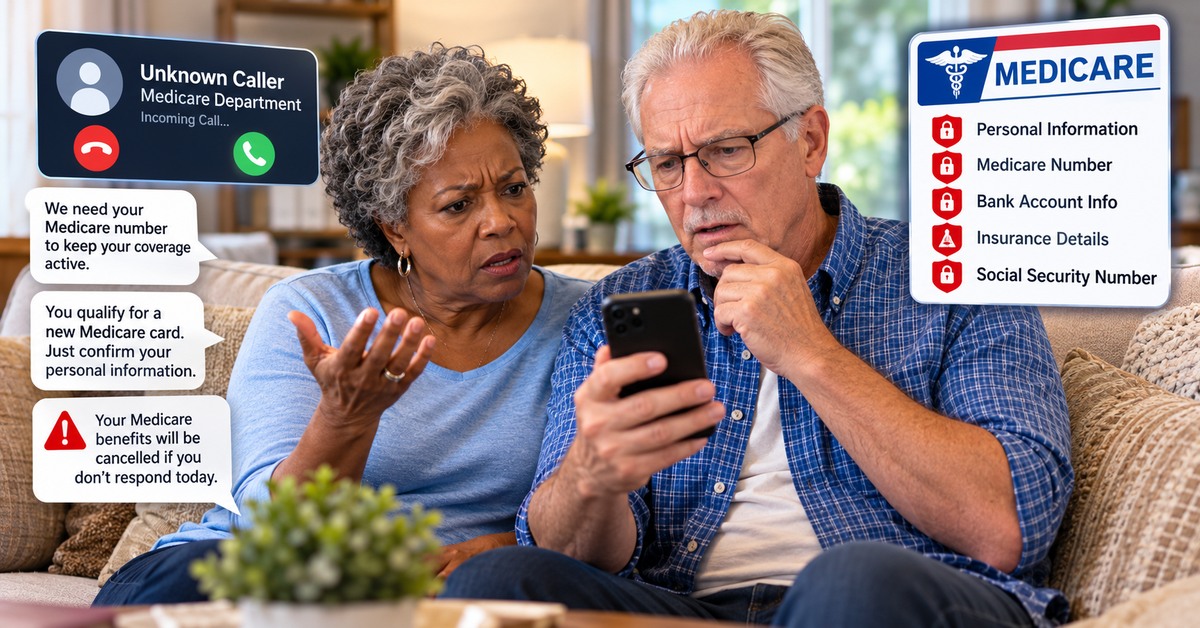
Medicare Open Enrollment brings an important opportunity to review health and prescription drug coverage. Unfortunately, it also gives scammers a reason to contact older adults with convincing stories about new cards, expiring benefits, and special offers. A phone call or text that appears helpful can actually be an attempt to steal your Medicare number, Social Security number, or banking information.
At Computer Technologies and More in Hendersonville, Tennessee, we want seniors and their families to feel confident using their phones, computers, and email. Here are five Medicare scams to recognize before you click, answer, or share information.
1. Fake Medicare Calls Claiming Your Benefits Will End
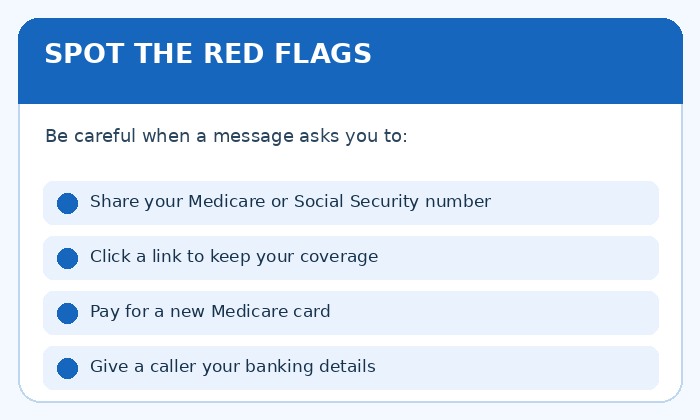
A caller may claim to work for Medicare and say your benefits will be canceled unless you verify your Medicare number immediately. Others offer a new plastic or updated Medicare card for a small fee. These are common warning signs. Medicare cards are provided free, and Medicare does not make unexpected calls to sell you something or demand private information. In limited circumstances, Medicare may return a call you initiated.
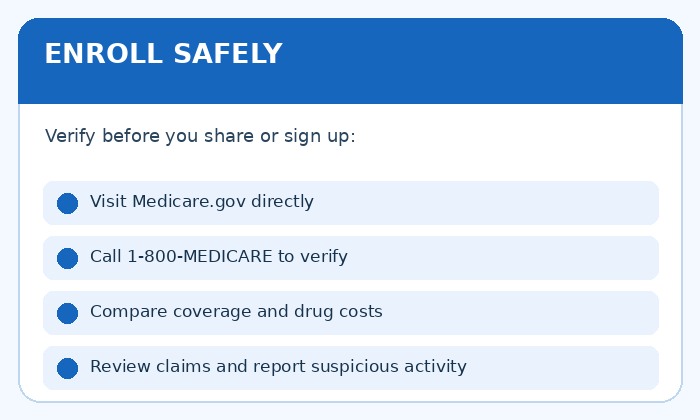
What to do: Hang up. Do not trust the name or number shown on caller ID, because scammers can fake it. Call 1-800-MEDICARE (1-800-633-4227) yourself to check whether anything really needs attention.
2. Phishing Texts, Emails, and QR Codes That Look Official
Scammers send messages that imitate Medicare, a health plan, or a pharmacy. They may say you have a refund, a missed enrollment deadline, or an urgent document waiting. A link can lead to a fake login page designed to capture your password and personal details. A QR code in a suspicious message can send you to the same kind of fraudulent website.
What to do: Do not click unexpected links, scan suspicious QR codes, open attachments, or reply with personal information. Instead, type Medicare.gov into your browser yourself or use a phone number printed on your actual insurance card.
3. Fake Enrollment Websites and Sponsored Search Results
When searching for Medicare plans online, you may see paid advertisements at the top of the results. Some lead to websites that resemble government pages or use official-looking symbols. The Federal Trade Commission warned in September 2026 that deceptive ads and lookalike website addresses can mislead people looking for health coverage.
What to do: Look carefully at the website address. The official Medicare website is Medicare.gov. An advertisement labeled “Sponsored” is not automatically an official government resource. If you want free, unbiased assistance comparing coverage, contact your State Health Insurance Assistance Program (SHIP).
4. High-Pressure Plan Switching and Too-Good-to-Be-True Offers
Someone may promise extra benefits, free groceries, or major savings if you switch plans immediately. Some benefits may be available through legitimate plans, but that does not mean an unsolicited caller is trustworthy or that a particular plan meets your needs. A dishonest salesperson may rush you, misrepresent coverage, or ask you to enroll before you understand the details.
What to do: Never make a plan decision because a stranger creates an emergency. Compare your doctors, prescriptions, pharmacies, premiums, and out-of-pocket costs. Ask for written information and verify the plan directly. Medicare does not endorse one particular plan as its preferred choice.
5. Requests for Bank Accounts, Payments, or Financial Information
A scammer might say you are owed a Medicare refund, must pay a processing fee, or need to confirm a bank account to keep your coverage. Others request a credit card for a replacement Medicare card. Once someone has your financial details, the harm can extend beyond Medicare fraud to unauthorized charges and identity theft.
What to do: Do not provide account numbers, card numbers, passwords, or one-time verification codes to an unexpected caller or message. If you already shared banking information, contact your bank using its official number immediately, explain what happened, and ask how to protect your accounts.
Know the Medicare Enrollment Dates
Annual Open Enrollment is October 15 through December 7. It is generally the period when people already on Medicare can review or change Medicare Advantage and prescription drug coverage for the following year. Initial Enrollment for most people turning 65 is different: it generally spans seven months, beginning three months before the birthday month and ending three months afterward. Other enrollment rules and exceptions may apply, so verify your situation directly with Medicare.
What If You Think You Were Scammed?
Stop communicating with the suspected scammer, change any compromised passwords, and contact your bank if financial details were exposed. Report suspected Medicare fraud to 1-800-MEDICARE and report the incident to the Federal Trade Commission at ReportFraud.ftc.gov. Review your Medicare claims for services or equipment you did not receive.
Computer Safety Help in Hendersonville
Computer Technologies and More helps local customers recognize phishing attempts, remove malicious software, strengthen device security, and learn safer ways to use email, phones, and computers. Visit us at 394 West Main Street, Suite A-15, Hendersonville, TN 37075, or call 615-988-1156. We can help with device security, but Medicare enrollment questions and plan choices should be verified with Medicare or a qualified independent counselor.
Educational information only. This article is not an offer to sell insurance or individualized Medicare enrollment advice.
Official Resources
Medicare Open Enrollment | Reporting Medicare Fraud | FTC 2026 Scam Alert